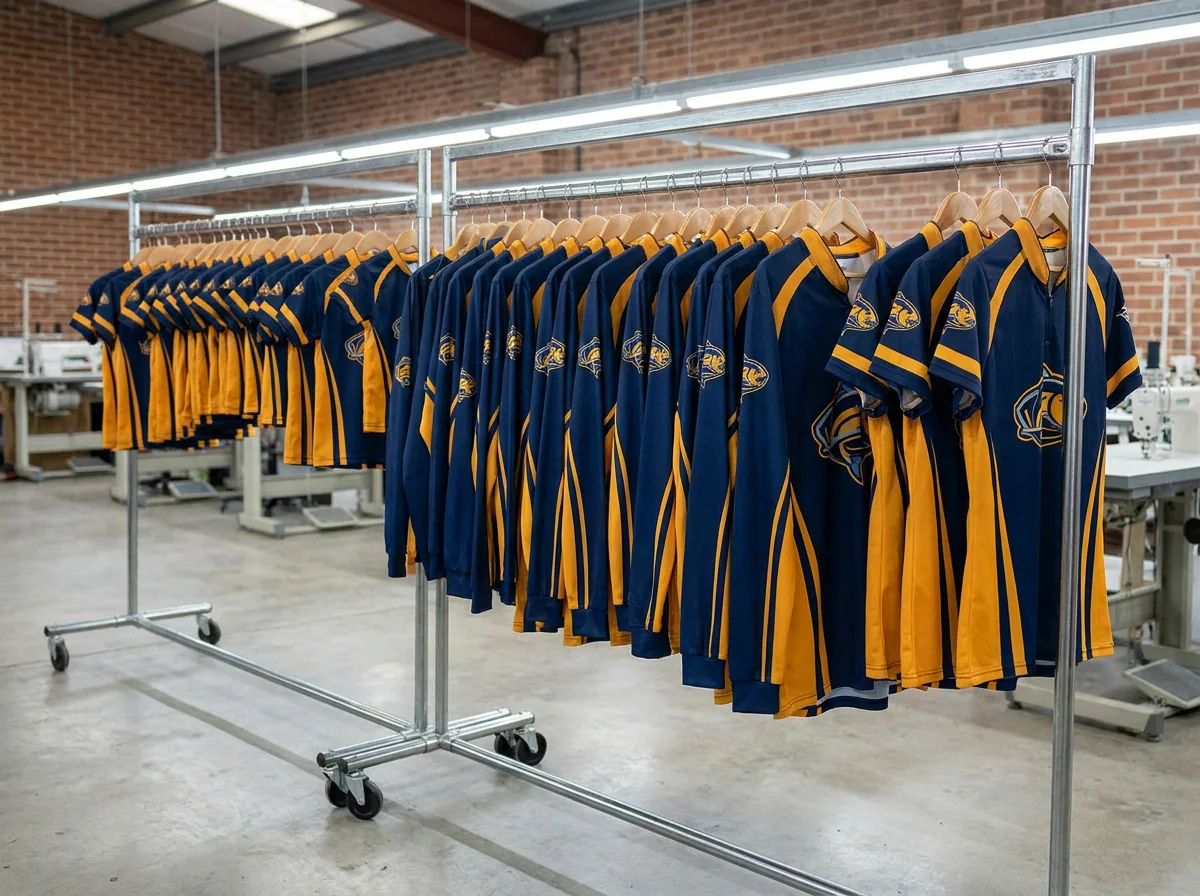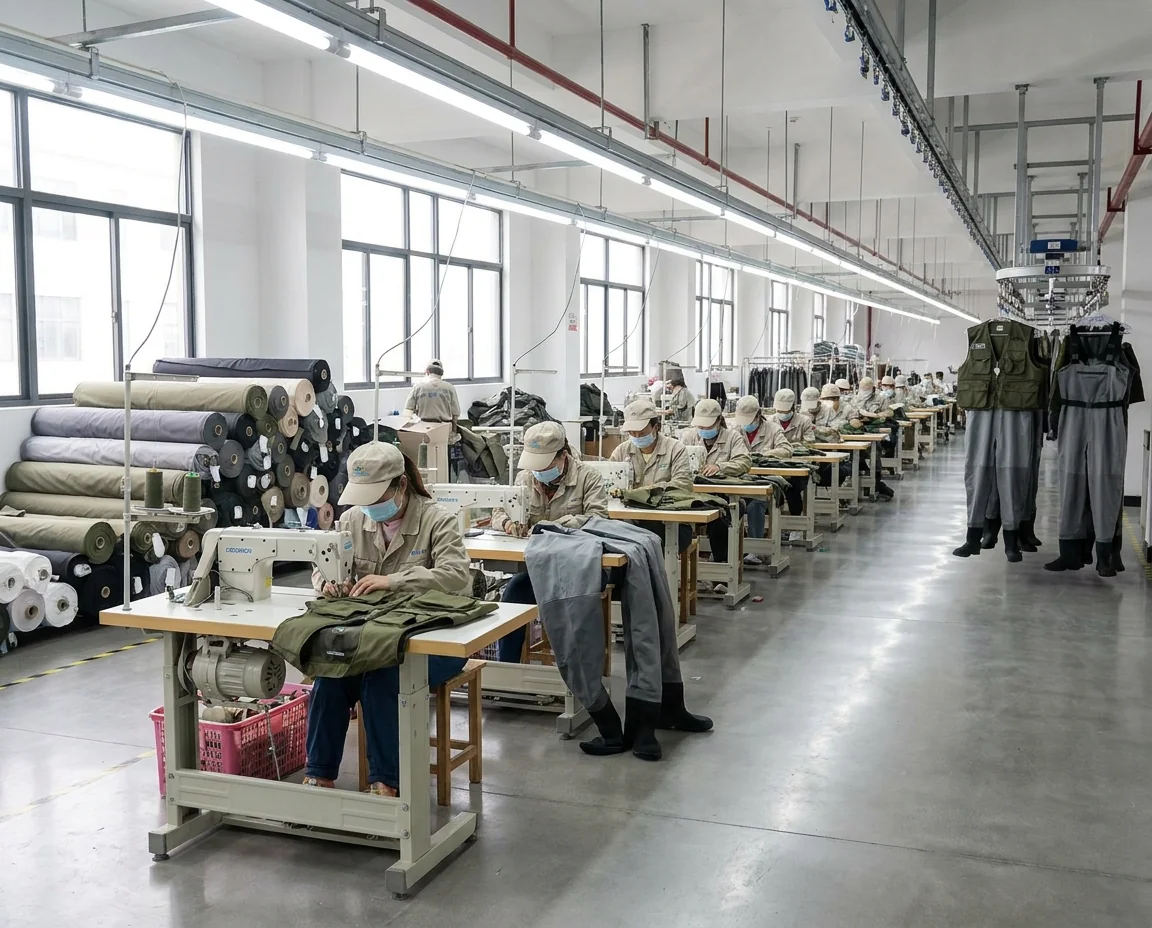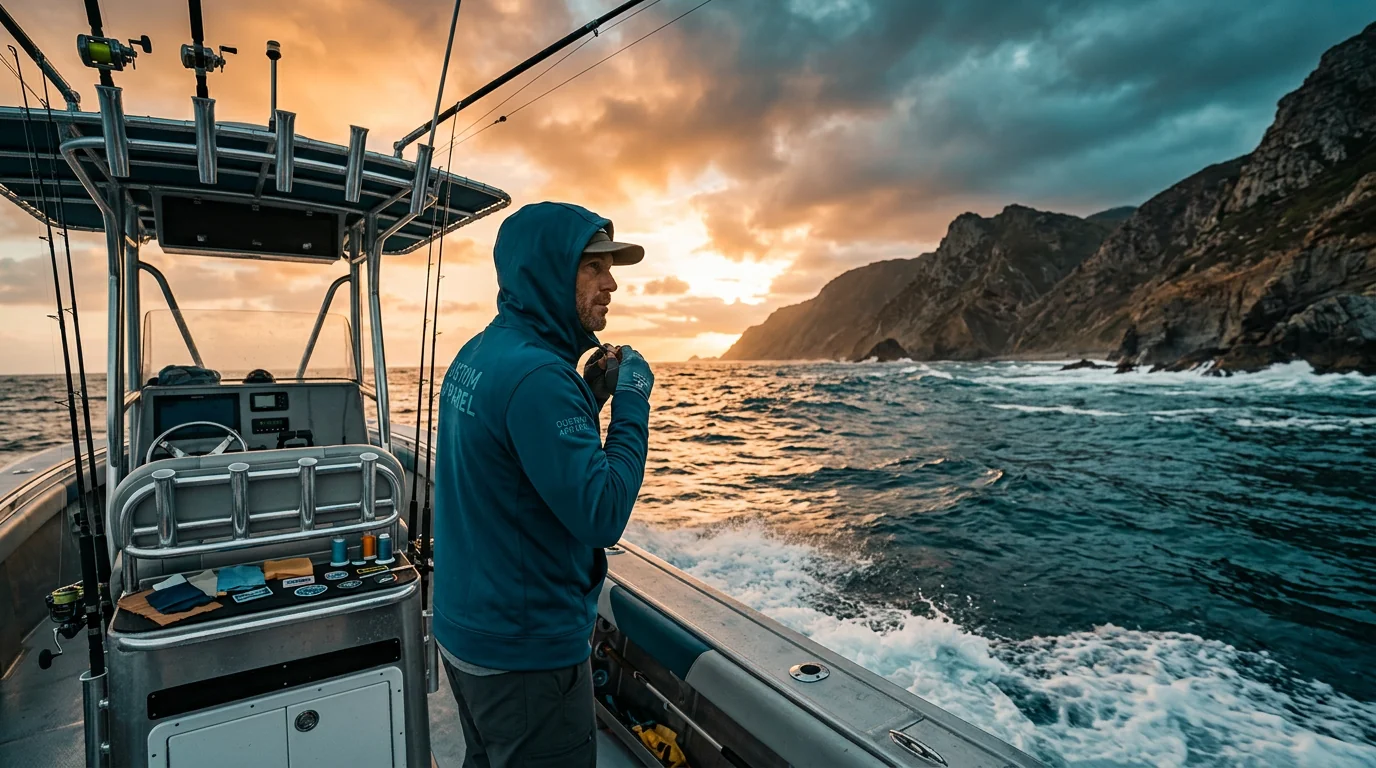
Brushed-fleece pullover hoodies, quarter-zip and full-zip fleece and crewneck sweatshirts from a fishing-only factory — weight-tiered from a midweight morning layer to a heavyweight cold-season build, cut to layer over a shirt, and decorated with your logo from 100 pcs per style.
Part of our custom fishing shirts range →One sub-style, several builds — what changes is the hood, the zip and the fleece weight, not the job: holding warmth on the water. Each build runs on brushed fishing fleece and the same QC discipline. This is the warm layer; for the outer shell and the base layers see fishing jackets and all our fishing shirt styles.

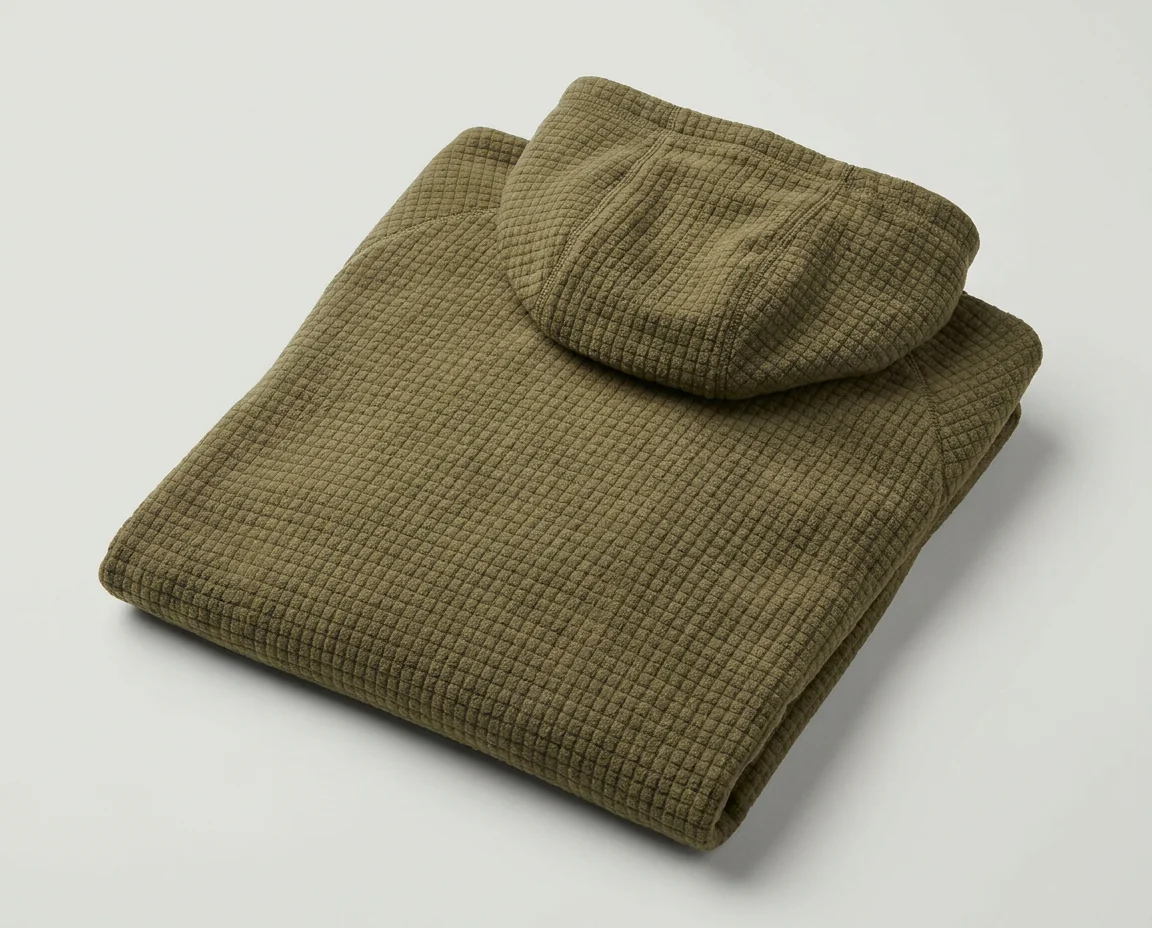
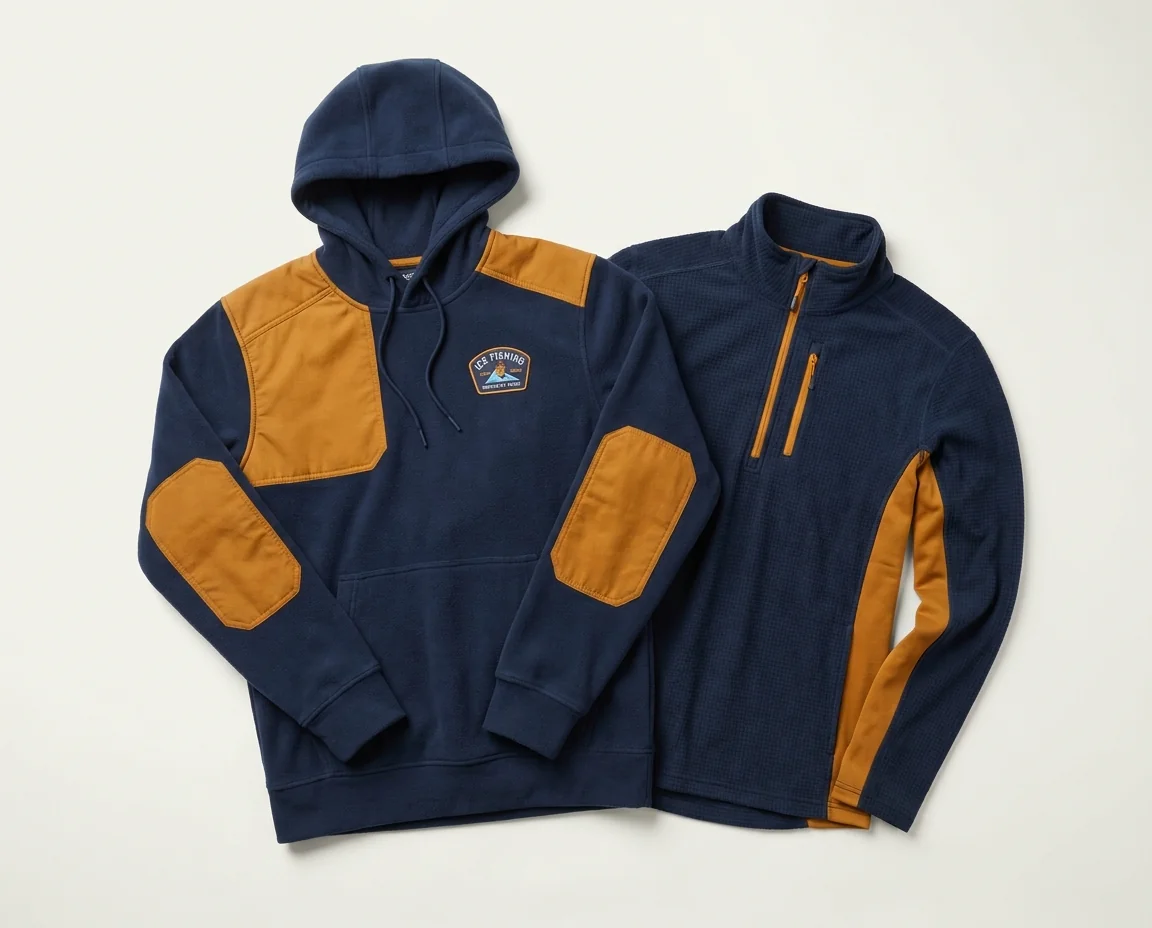
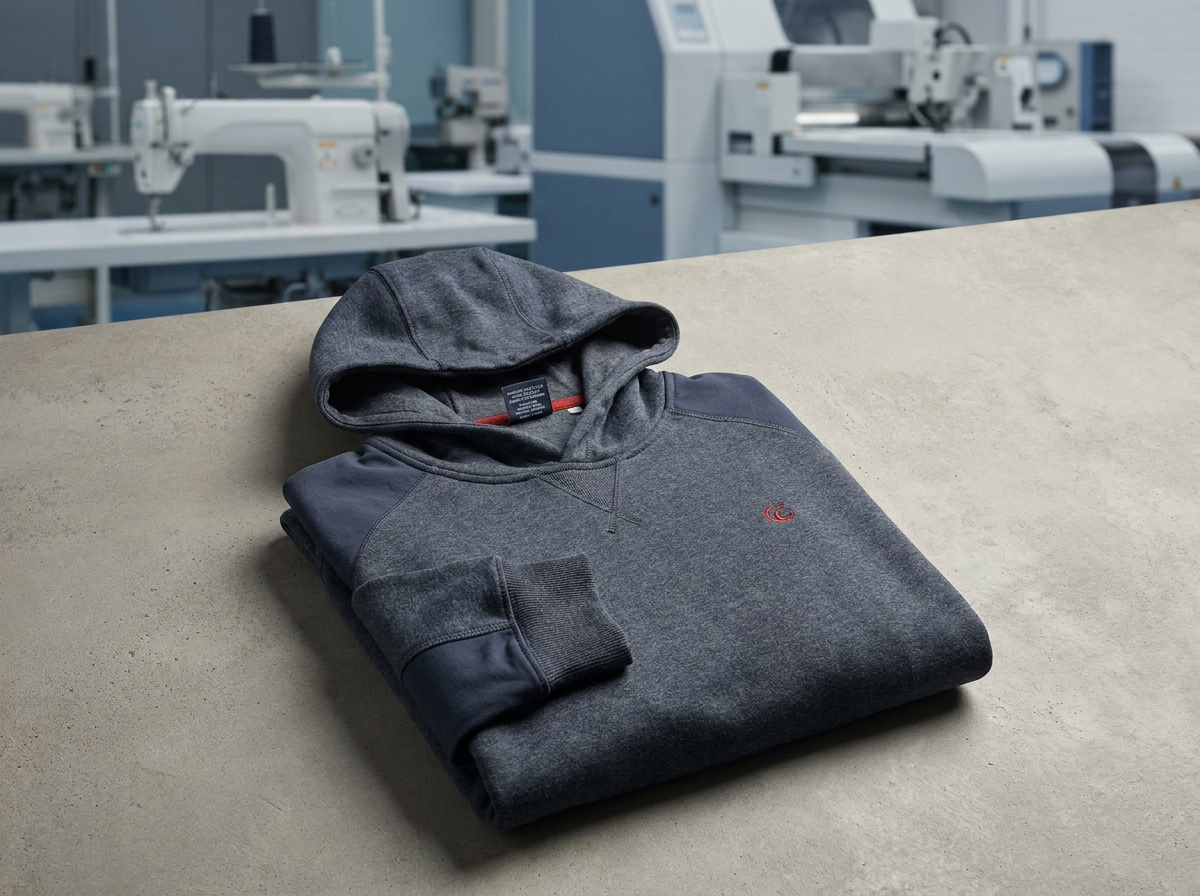
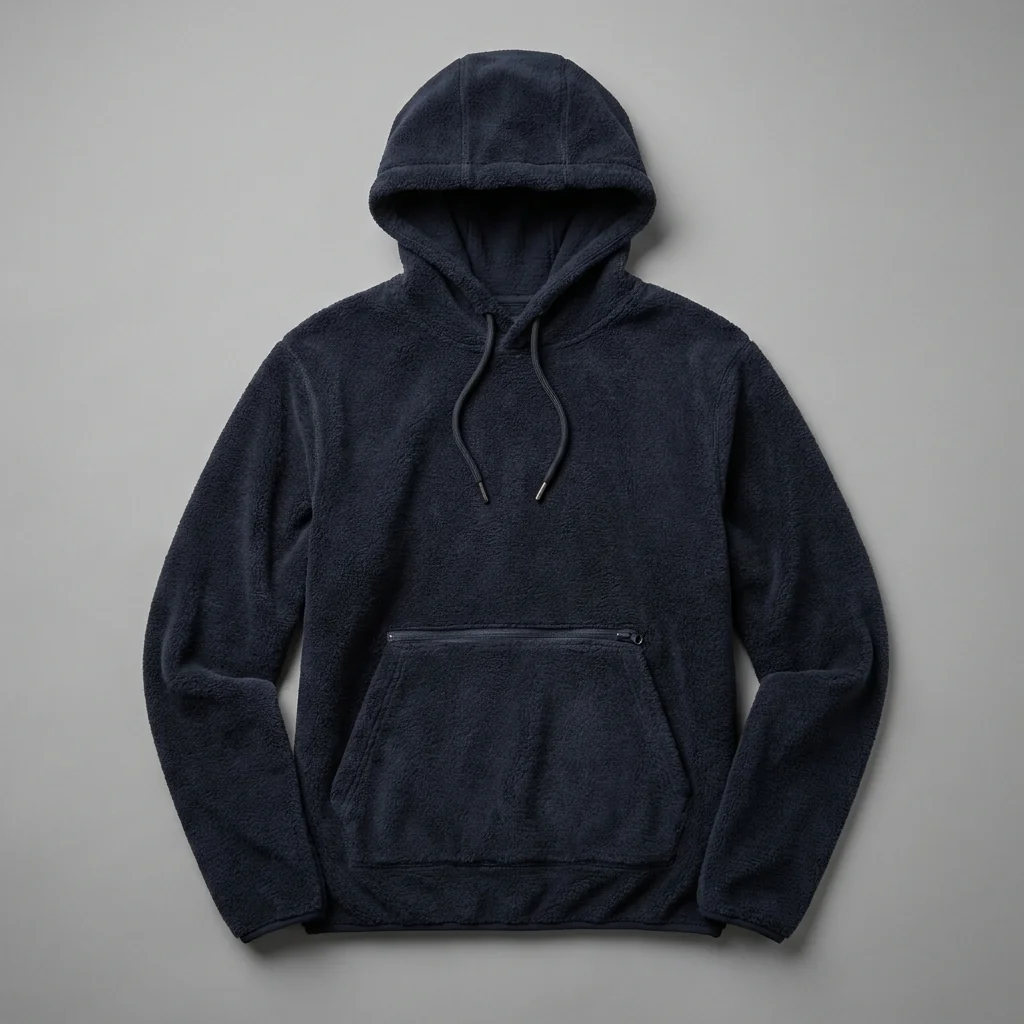
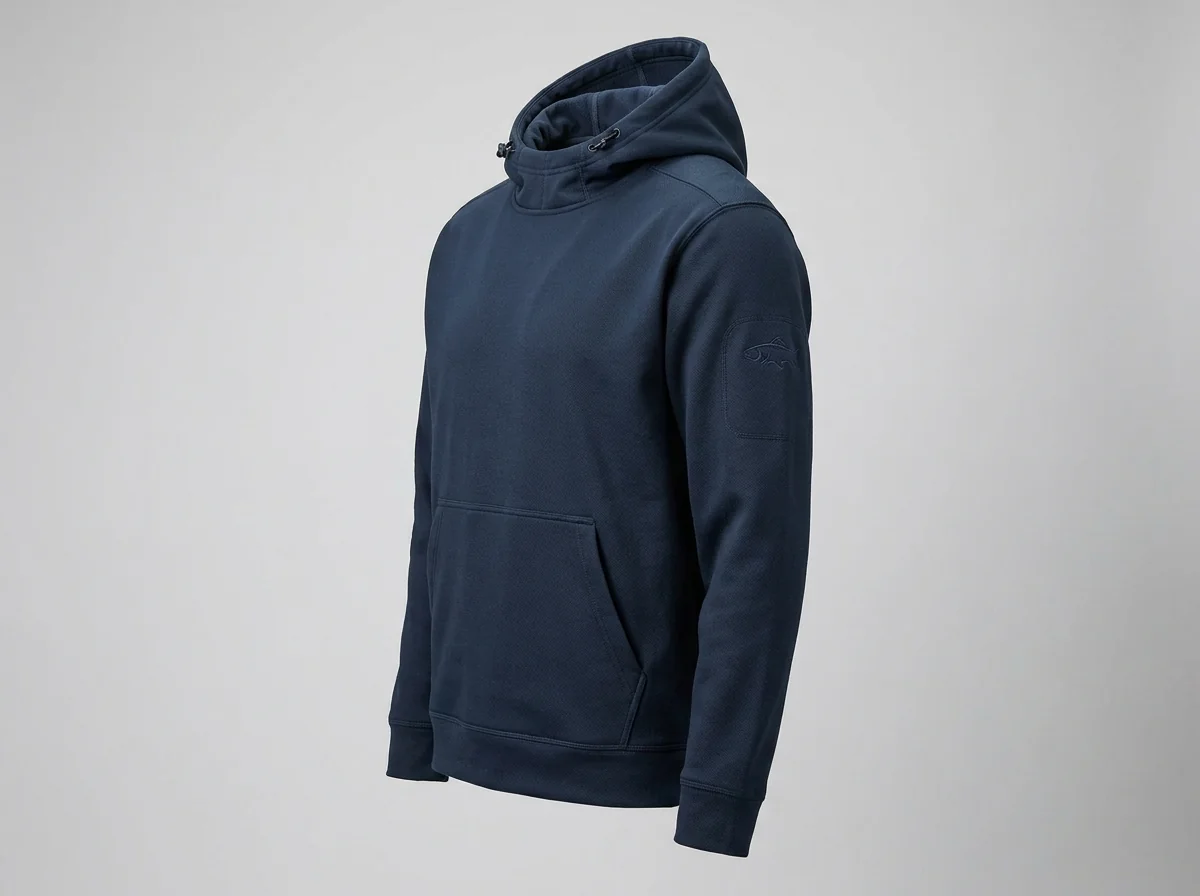
A brushed-fleece pullover with a lined hood and kangaroo pocket — the core layer for a cold dawn launch.

A 1/4-zip you crack open to dump heat on a warm run and zip to the chin when the wind picks up.

A full-length zip so it goes on and off over a rigged shirt without messing with gear — short of a shell.

A no-hood brushed crew for crews who wear a cap and want warmth without a hood in a running-boat wind.

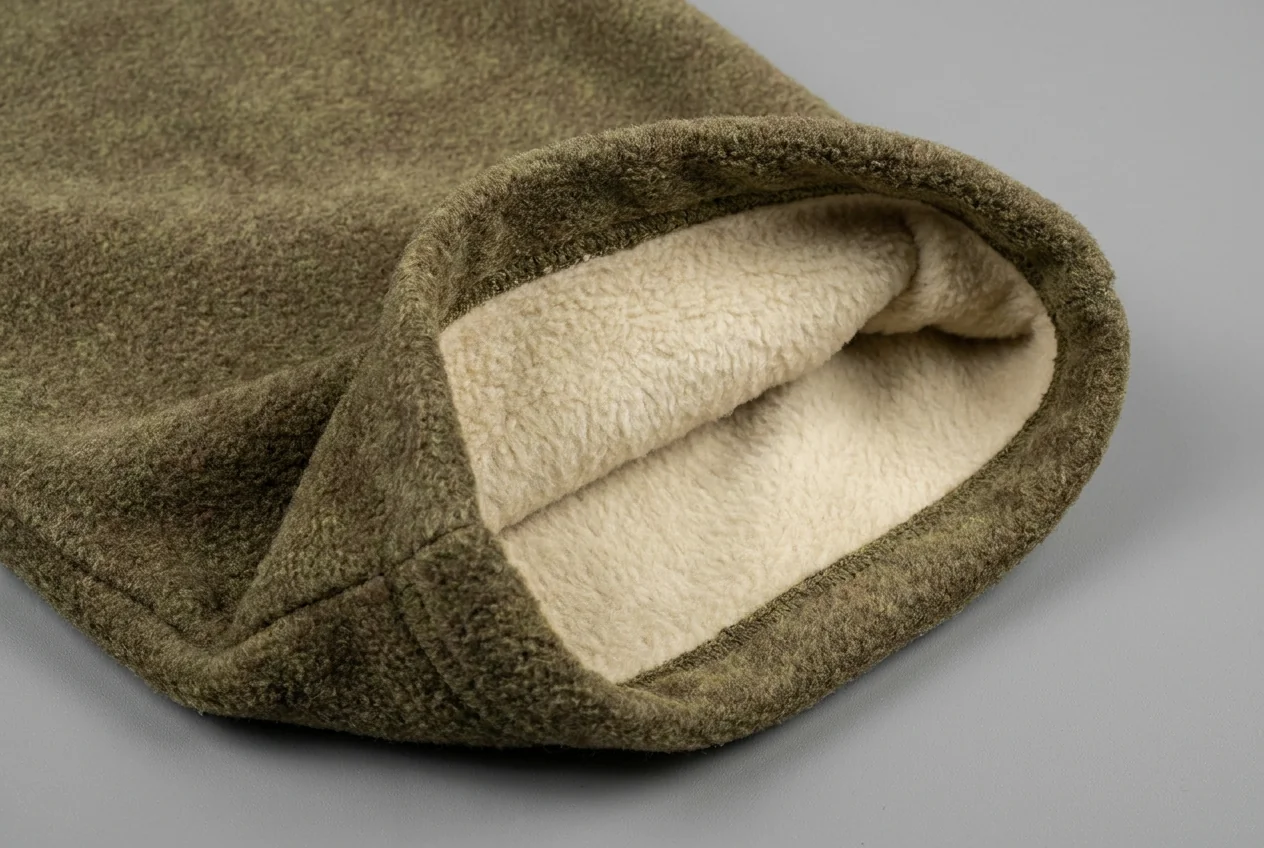
A high-loft or sherpa-lined build for cold-season decks and pre-dawn offshore runs.

The same fleece builds and layering fit graded to women's and youth patterns (see sizing below).
A fishing sweatshirt isn't a street hoodie that soaks through by the second drift. It's a warmth system: the fleece loft, the weight tier, the wind-face and the zip work together to hold body heat through the coldest part of a fishing day. Here's what each part does, climbing from a light morning layer to a cold-season build. (Factory-stated construction; weights are representative.)

Brushed loft
Ribbed cuffA brushed or grid-fleece back lifts a layer of still, warm air off the body instead of sitting flat and cold like a plain jersey — the reason a fleece beats the dawn chill a T-shirt lets straight through.
Fleece runs in tiers, not one weight: a midweight for a cool morning, a heavyweight for a cold-season deck, and a high-loft sherpa-backed build for pre-dawn offshore — you spec the tier for the water, not settle for one.
~240 gsm midweightA tight-knit or bonded wind-face over the fleece back blocks a running-boat wind from pulling heat straight out of an open knit — warmth that survives 30 knots of apparent wind, not just a still dock.
~320 gsm heavyweightA quarter- or full-zip lets a crew dump heat on a warm mid-morning run and close down as the sun drops, so one layer carries a wide temperature swing instead of coming on and off.
~380 gsm high-loftCut with room to sit over a long-sleeve base layer and under a shell, so it's the middle of a three-layer setup, not a tight street fit that fights the layers around it. Ribbed cuffs and hem seal the warmth in.
Loft, the right weight, a wind-face and a zip together make one soft layer that holds heat from a cold launch through the warm-up — the layer an angler reaches for first at dawn and last at dusk.

The warmth above is the how. This is the when — the on-the-water moments buyers spec a fleece build for their line. And one clear line first: this is the warm layer for cold and wind. The lightweight hooded build that's about shade and sun protection is a different garment — see sun hoodies. (Use-case, not construction — how it holds warmth is in the section above.)
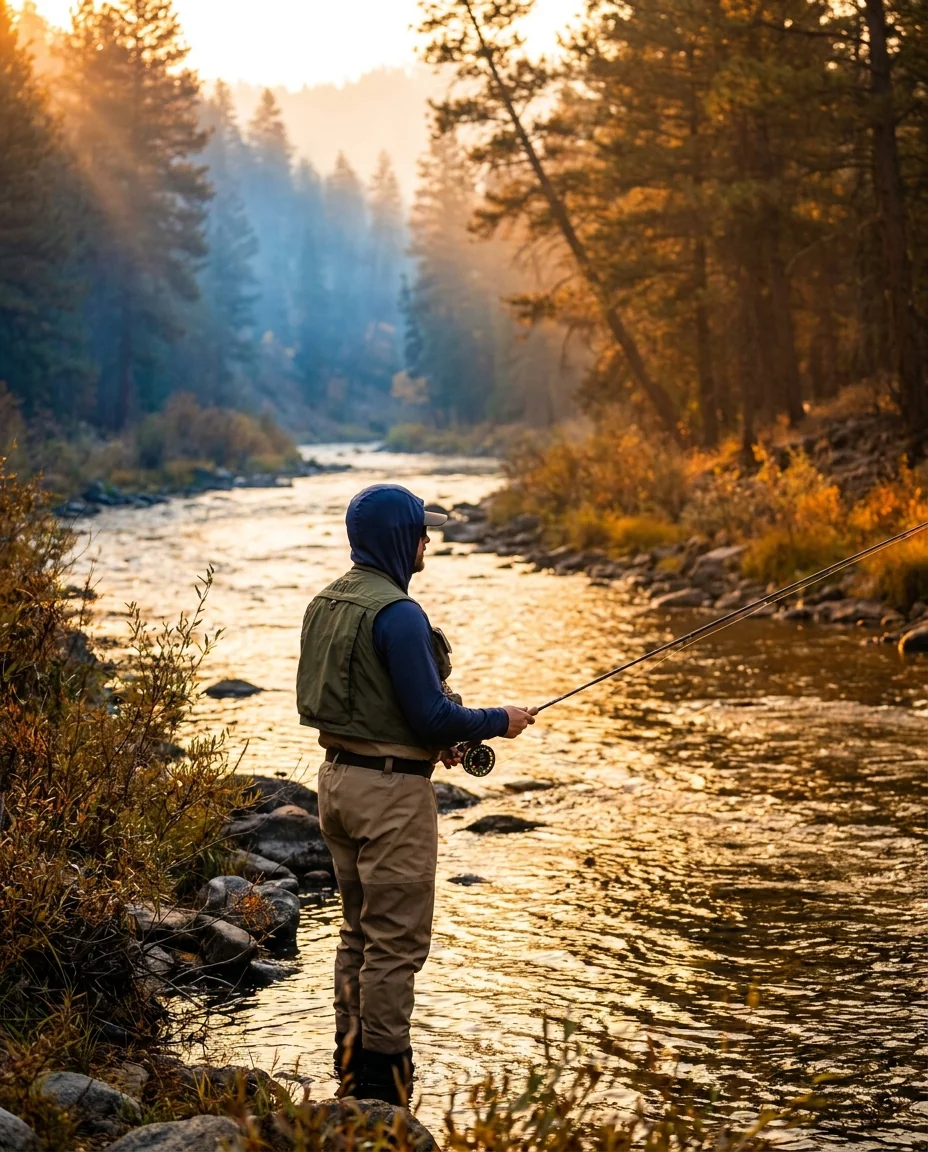
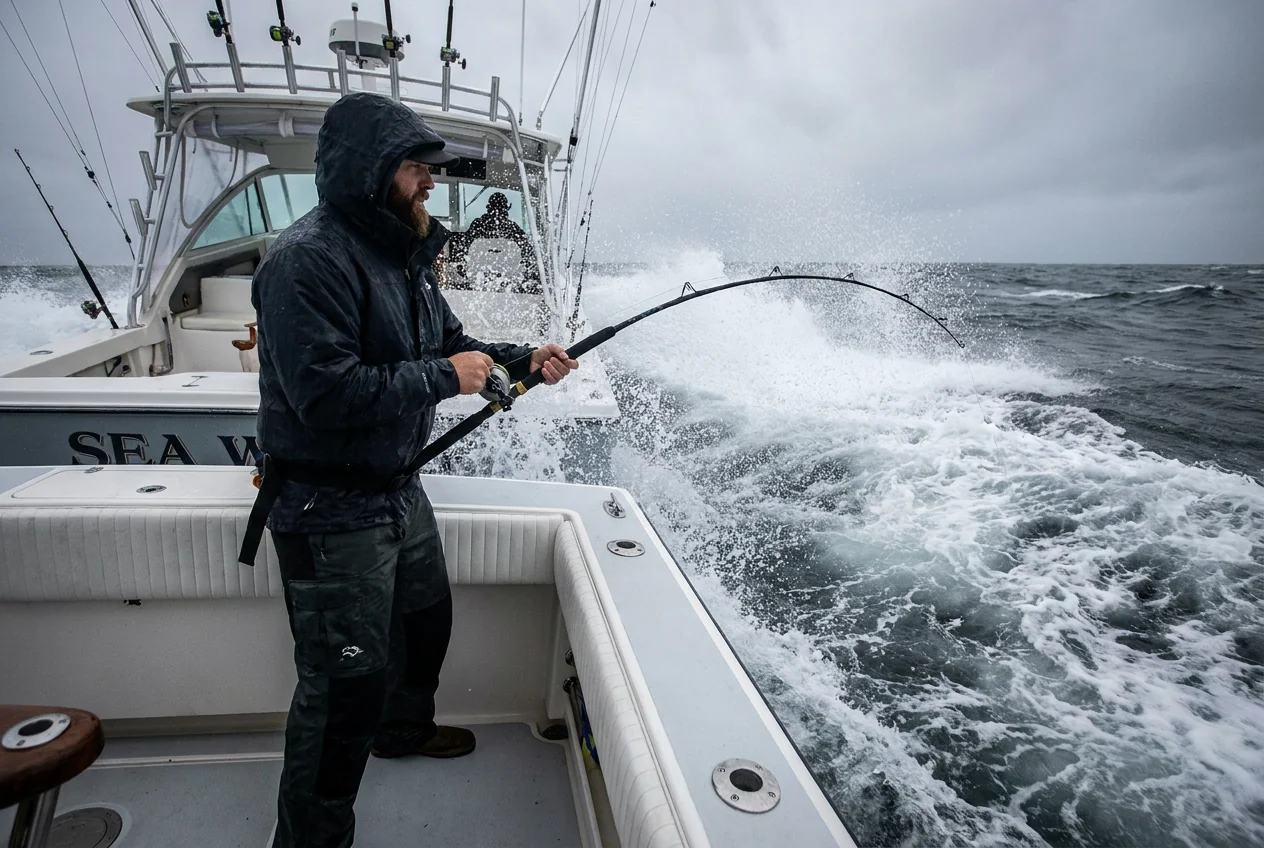
A pre-dawn run to the grounds is the coldest part of the day — a fleece layer covers the hour before the sun warms the deck, when a shirt alone leaves a crew cold.
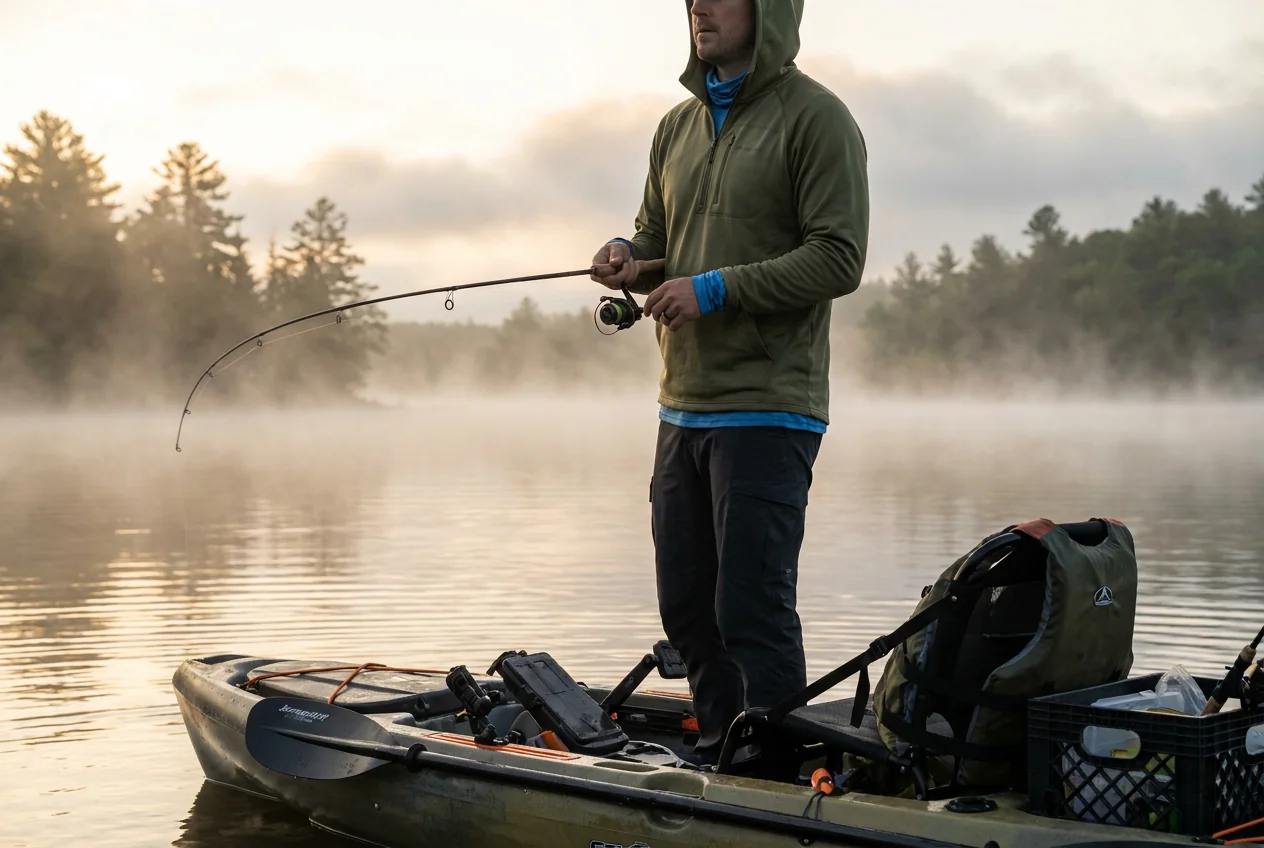
Twenty-plus knots of boat speed makes its own cold; a wind-faced fleece holds heat on a long run out that a plain knit gives straight back to the breeze.
Spring, fall and a cold front drop the deck temperature without dropping the fishing — a fleece is the layer that keeps a full season on the water instead of ending it.
A fleece mid-layer adds warmth over a base shirt and under a shell without the bulk of a heavy jacket, so a crew moves and casts freely instead of fighting an outer coat.
Zipped at first light, cracked open as the sun climbs, off by mid-morning — a zip fleece carries the temperature swing of a fishing day on one layer, then packs down in a bag.
A warm layer is only warm if the fleece under it is built for it. Three build points matter for a fishing sweatshirt; how the factory specs and tests any fabric for a program is on fabric technology. (Factory-stated; confirmed on the sample.)

A raised, lofted back that traps warm air and stays soft against the skin, in a weight range from a light layer to a heavy cold-season build.

A range of fleece weights held in stock so a program can spec midweight, heavyweight or high-loft to the water it fishes, not settle for one.

A tight-knit or bonded wind-face bonded to the fleece back for offshore builds, so the layer blocks breeze as well as holding loft. See how we spec and test fabric.
A fleece build has placement zones and a napped surface a flat tee doesn't — the hood back, the chest over a pocket, the sleeve on a rod. Here's where a mark lands on a sweatshirt and how we handle a brushed face; the decoration methods themselves are detailed under custom decoration.

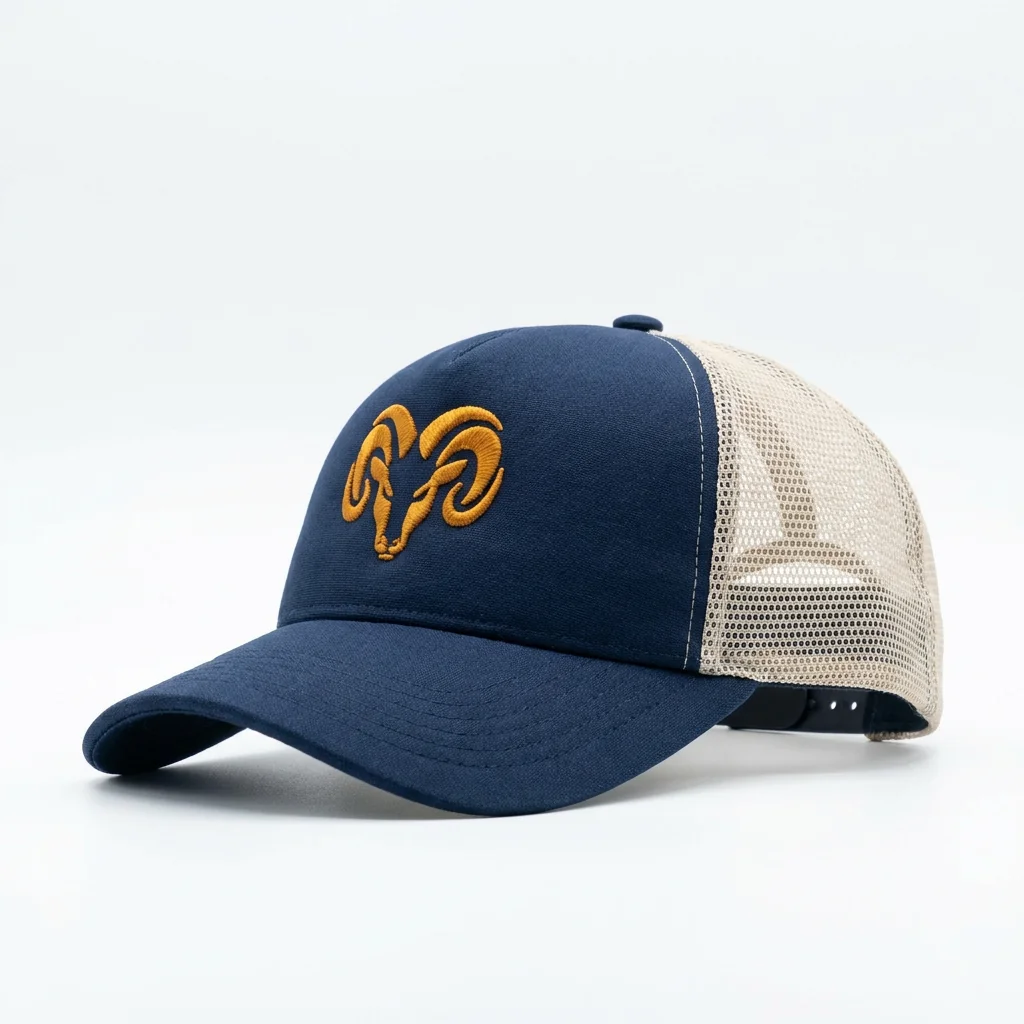
Left/right chest, left/right sleeve, upper back, the hood back and above a kangaroo pocket; tell us the zone and size and we digitize and lock it to your file. See logo & artwork help.
A brushed fleece is embroidered over a backing so the stitch sits crisp on the loft instead of sinking into the pile — the go-to for a clean chest or hood-back mark on fleece.
A poly fleece face takes dye-sublimation, cotton-blend and dark fleece take screen or DTF, and a premium chest logo takes embroidery — point-named here, spec'd on your tech pack.
A set of fish silhouettes (marlin, tarpon, redfish, snook and more) to build a back or sleeve design around, or send your own art.
A fleece build has one fit note a plain shirt doesn't — it has to layer. Full measurement tables are on the size charts; here's what's specific to a fleece. (Factory-stated grading.)
Graded with room to sit over a long-sleeve base and under a shell across the size run, so it's a real mid-layer instead of a tight fit that fights the layers.
Cuffs and hem graded to close on the wrist and waist so warm air stays in and wind stays out, per size.
The same fleece builds and layering fit graded to women's and youth patterns, in the same stock.
Spread the 100-pc per-style minimum across sizes and all three cuts, so a first fleece order is a real assortment. Full measurements: fishing sweatshirt size charts, or the complete fishing shirt sizing.
The questions buyers ask before a first fleece order.
From 100 pcs per style, and you can mix sizes and men's/women's/youth cuts to reach it. Reorders run from about half that.
This is the warm layer — brushed fleece built to hold heat on a cold or windy day. A sun hoodie is the opposite job: a lightweight sun-protection build for hot, exposed water. Different fabric, different purpose.
Yes — pullover for the most warmth and no wind gap, quarter-zip to vent heat on a warm run, full-zip to layer on and off over gear; and a crewneck with no hood. Pick per build.
A midweight (~240–280 gsm) for cool mornings, a heavyweight (~320–380 gsm) for cold-season decks, and a high-loft or sherpa-backed build (~400+ gsm) for pre-dawn offshore — spec the tier to the water.
Yes — a brushed face is embroidered over a backing so the stitch stays crisp on the loft; poly fleece also takes dye-sublimation, and dark or cotton-blend fleece takes screen or DTF.
Yes — the same fleece builds and layering fit grade to a true women's cut and a youth run in the same stock; see the sizing notes above.
A first fleece order runs roughly 5–8 weeks brief-to-ship; repeats are faster. The step-by-step timeline is on the home page.

Send us the build, fleece weight, target quantity and your logo — you'll hear back within 24 hours, in plain English.
Prefer to request a sample or get a quote first? request a sample · get a quote