Baseball caps and yoga pants are dead for private label brands in 2024. Every “guru” course points you toward the same three categories, and by the time you’ve finished your market research, five hundred other sellers have already flooded Amazon with identical listings.
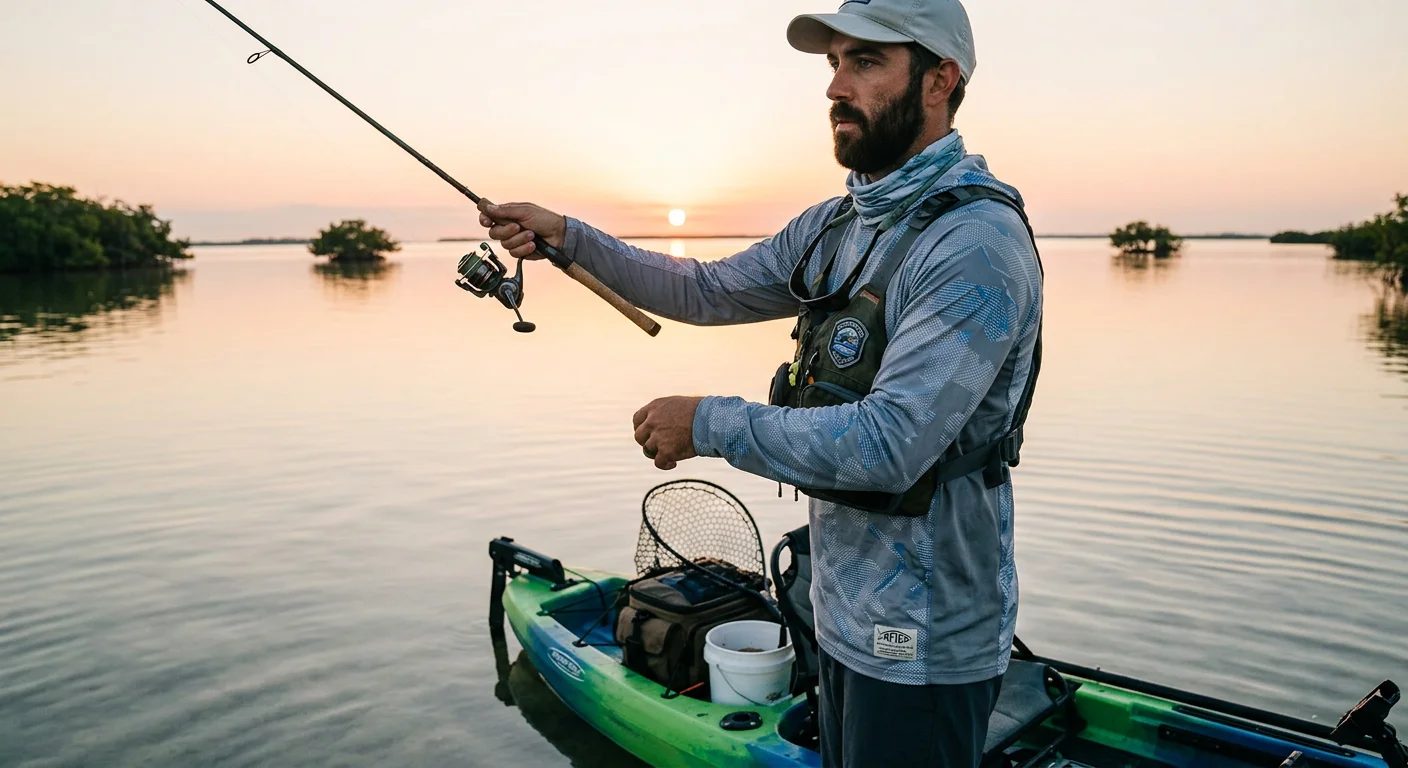
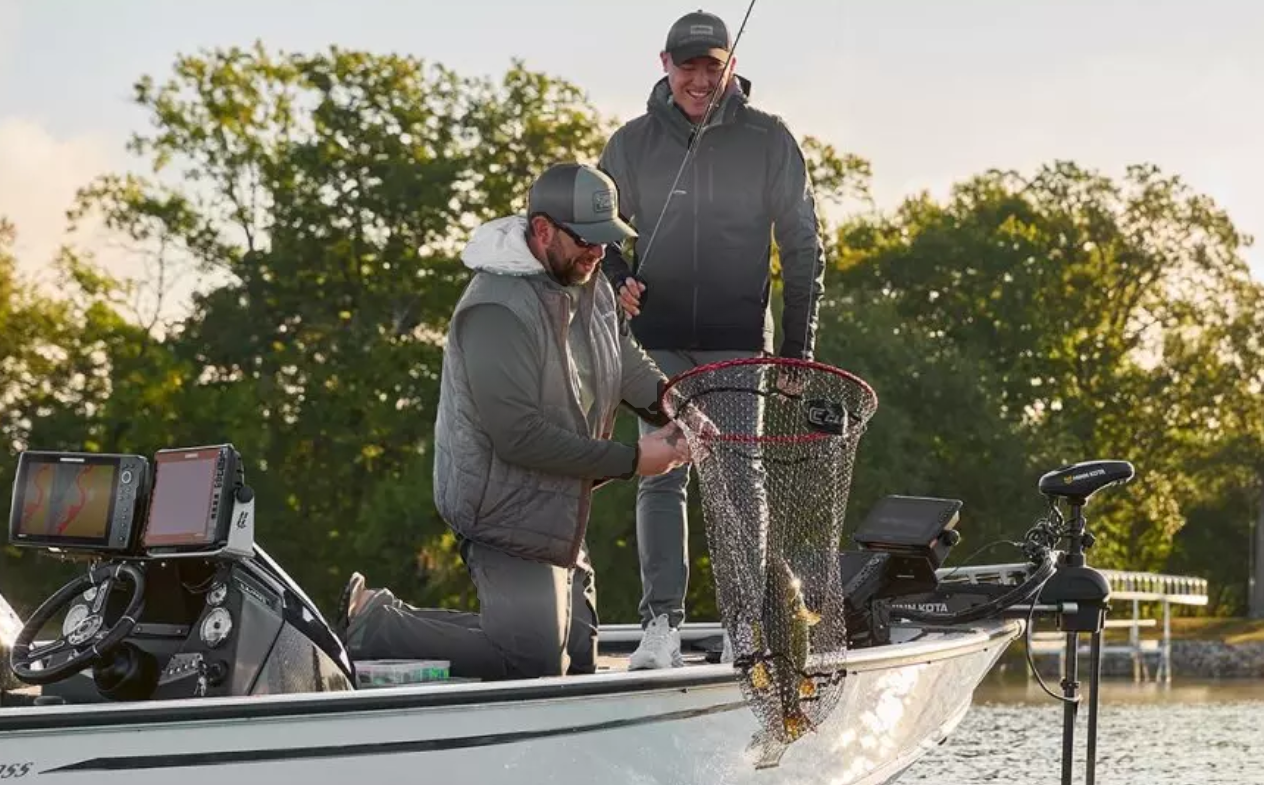
After digging through category data and talking to sourcing agents, I keep landing on fishing apparel. It’s a niche with real, recurring demand (anglers buy new gear every season) but nowhere near the saturation you’ll find elsewhere.
Most sellers don’t know how to source it properly. You can go with a low MOQ fishing apparel supplier for your first test run, or invest in a full custom UPF Fishing apparel manufacturer relationship. I’ll walk you through the exact validation framework, supplier comparison, and budget breakdown so you can decide with numbers, not guesswork, whether this is your next product line.
Numbers first, opinions later. The global fishing apparel and equipment market is at $5.2B in 2025 and projected to hit $7.8B by 2034, growing at a 4.8% CAGR. Jackets and outerwear alone account for $1.48B, or 28.5% of category revenue. North America holds 32.4% of global share at $1.68B. This is a stable, growing category with real dollars behind it.
Online sales in this space are still catching up. Online stores captured only 31.2% of fishing apparel and equipment sales in 2025, projected to climb to 41.1% by 2034. That gap is your opportunity window.
Shopify Competition: Crowded but Not Closed
BootLeads tracks 5,166 active Shopify fishing stores, growing 2.6% monthly with 113 new stores in the last 30 days. Zoom into fishing gear specifically and you'll find 4,156 stores, growing even faster at 11% monthly. That's a lot of new entrants. But look at pricing. 40% of stores cluster in the $20–50 band. That's the mass-market fight everyone's having. Position above $50 with better fabric tech or bundles, and you skip most of that noise.
Amazon Reality Check: Real Volume, Real Margins
Pull actual ASIN data and the margins get interesting. Roadbox UPF 50+ fishing shirts sell 11,773 units per month at $16.02 retail against roughly $10.08 wholesale, a $6 spread at massive volume. HUK volley shorts move 2,060 units per month at $35.82 retail versus $7.95 wholesale, a $27.87 gross spread per unit. Even niche high-ticket items like the Piscifun ice fishing jacket ($132.44 retail, $29 wholesale) show margin room, just at lower volume.
Micro-niches matter too. The "fish sweater" keyword pulls 1,567 weekly searches, and the top ASIN there does 4,000 monthly sales with 3% MoM growth, proof that even oddly specific angles can carry real demand.
What This Means for Your Sourcing Math
Wholesale fishing apparel benchmarks confirm this. Long-sleeve fishing shirts run $8–10 per unit at MOQ 100, while waterproof fishing jerseys go as low as $3.5–8.6 at MOQ 30. Stack that against Amazon retail prices of $16–30, and you're looking at 50–70% gross margin potential before fees, which falls within the 10–70% net margin range typical across fishing e-commerce.
Private Label vs. OEM vs. ODM: Choosing the Right Supplier Model for Your Business
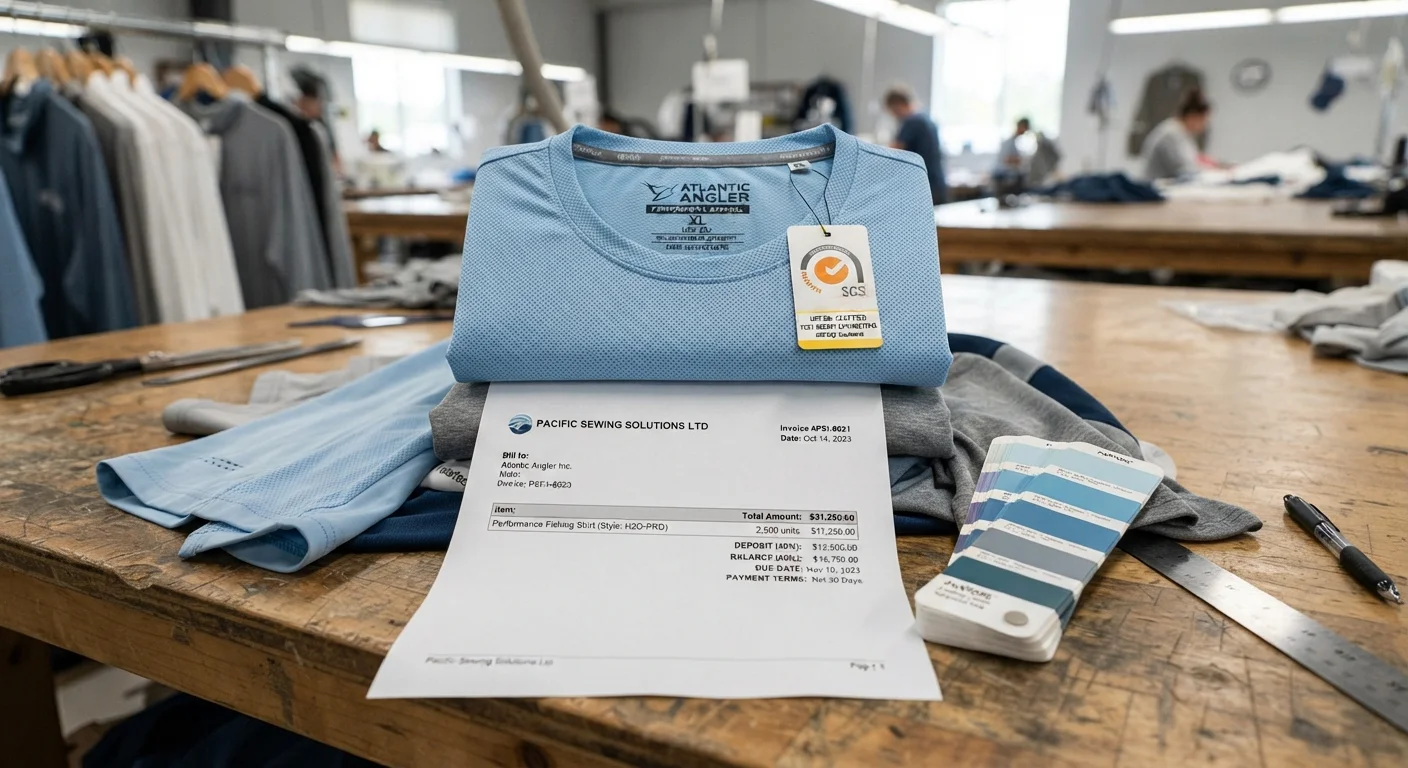
Most sellers waste months picking a supplier model before they run the math. The right choice depends on your budget, timeline, and how much differentiation you need to avoid the $20-50 price war we just covered.
Private label is your fastest, cheapest entry point. Development cost sits at $0-$2,000, mostly branding and packaging. MOQ runs 20-100 units per SKU, and you can launch in-6 weeks. The tradeoff: you're using factory-owned generic fishing shirts with your logo slapped on. Gross margin potential lands at 30-45%, and you're fully dependent on that one supplier's catalog.
ODM (semi-custom) is the middle ground, and honestly, where I'd point most first-time apparel sellers. Development runs $500-$10,000, MOQ typically 50-500 units, launch window 6-10 weeks. You're picking from an existing catalog but customizing colors, fabric weight, or adding a mesh vent panel. Margin potential jumps to 40-55%. This is your sweet spot if you want a moisture wicking fishing shirt with an OEM feel without funding full R&D.
OEM is full customization: your fabric spec, your UPF rating, your construction. Cost runs $5,000-$50,000+, MOQ often 500-5,000+ units, and timeline stretches 12-18 weeks. You own the design and IP outright, run full QC at every stage, and can switch factories without losing your product. Margin potential hits 50-70%, but only makes sense once you've validated demand.
The Numeric Decision Filter
Budget under $2K, need it live in 6 weeks → private label fishing jersey, test the market first.
Budget $1-10K, want a custom logo fishing gear apparel angle → ODM, add UPF fabric or embroidery without full development.
Budget $20K+, planning 3,000+ units per SKU → OEM, build a defensible hero product.
From Inquiry to Bulk Production: The Complete Sourcing Timeline and Budget Breakdown
The gap between "I found a supplier" and "units are live on Amazon" is where most private label sellers lose momentum. Budget 8-25 weeks total, depending entirely on which supplier model you picked and how much customization you're chasing. This phase-by-phase breakdown lets you plan a launch date instead of guessing.
Phase 1: Inquiry to Quotation (3-7 Days, Plus 1-2 Weeks If You Need a Tech Pack)
Most fishing apparel factories respond to inquiries within 24-48 hours. If you're going the low MOQ Fishing apparel Supplier route with an existing catalog, you'll have pricing back in 3-7 days. If you want a custom logo fishing gear apparel setup or you're specifying UPF ratings and fabric weights from scratch, add 1-2 weeks for tech pack development before you even get a firm quote.
Phase 2: Sampling and Revisions (2-6 Weeks)
This is where budgets stretch. Stock-style samples with your logo added run about 7 days. Full custom OEM samples, the kind you need if you're building a moisture wicking fishing shirt OEM from a blank slate, take 12-15 days per round. Expect 1-3 rounds of revisions on fit, mesh panel placement, or fabric hand-feel before you sign off.
Phase 3: Bulk Production (20-60 Days)
Mainstream styles with in-stock fabric move fast, 10-20 days for a fishing performance wear manufacturer running a straightforward SKU. Full custom builds with imported UPF fabric or specialty trims stretch to 40-55 days. A custom fishing hoodie supplier adding embroidery or contrast panels sits somewhere in the middle, typically 30-45 days.
Phase 4: QC, Packing, and Shipping (2-8 Weeks)
QC and packing take 1-2 weeks. Shipping adds 1-5 weeks depending on sea versus air.
Payment Structure You'll Actually See
Almost every wholesale angler clothing supplier follows the same pattern: 30% deposit to lock your production slot, 70% due before shipment. Custom fabric or Pantone-matched colors often require deposit before lab dips even start, so factor that into cash flow planning, not just total cost.
Product Differentiation: UPF 50+ Fabrics, Moisture Wicking, and Custom Sublimation Branding
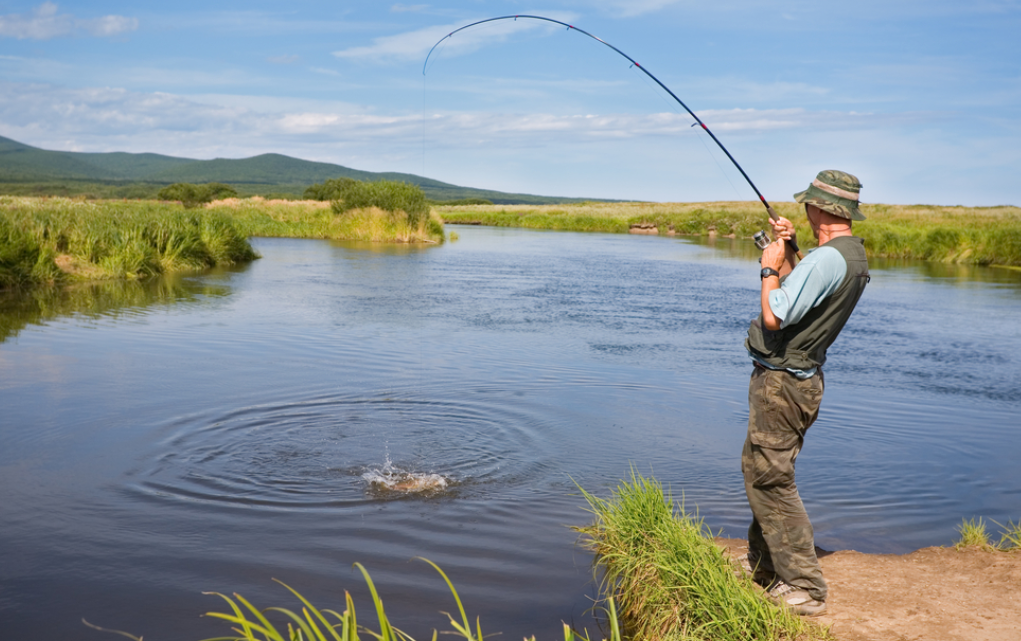
UPF 50+ is a testable number, and that number is your differentiation story.
UPF 50 fabric blocks 98% of UV radiation, letting only 2% pass through. UPF 50+ pushes that transmission below 2%, which is the threshold required for the Skin Cancer Foundation's Seal of Recommendation. When you're sourcing from a UPF fishing apparel manufacturer, ask for lab reports tested to AS/NZS 4399 or AATCC TM 183. I've seen real test data on sports shirt samples hitting UPF 114.3 with UVA transmittance at 1.2% and UVB at 0.8%. Print that number on your listing images. A generic "UPF 50+" bullet point doesn't carry the same weight.
Fabric weight matters here too. You want 150-260 gsm for performance activewear, with UVA blocking at 97.5%+ and UVB at 98%+. Ask your supplier if the UV protection comes from fiber-integrated absorbers (permanent) or a finish-based treatment (typically holds for 40+ wash cycles before degrading).
Wicking Metrics That Actually Mean Something
"Moisture wicking" on a tag means nothing without numbers behind it. Request testing to AATCC 195 (moisture management) or AATCC 197 (vertical wicking). Aim for vertical wicking height above 100mm in 30 minutes, premium performance above 150mm, and face-side wetting time under 3-5 seconds for that instant quick-dry feel. Specify a hydrophilic inner layer paired with a hydrophobic outer layer, and you get a measurable one-way transport index above 400% on AATCC 195, meaning sweat moves away from skin instead of sitting there.
Sublimation Branding Without Killing Performance
Sublimation inks bond inside the polyester fiber instead of sitting on top as a film, so breathability and wicking stay intact, unlike plastisol prints that trap heat. For a fishing jersey private label run, spec 100% polyester (or high-poly blends) at 160-220 gsm, and you can run full-coverage graphics, camo patterns, sponsor logos, even photographic prints edge-to-edge with zero impact on stretch. Standard press parameters run 190-210°C for 30-60 seconds, and colorfastness typically lands at 4-5 on the AATCC scale, meaning it survives repeated washing without fading.
QC, Sampling Traps, and Return Rate Control: Supplier Pitfalls to Avoid
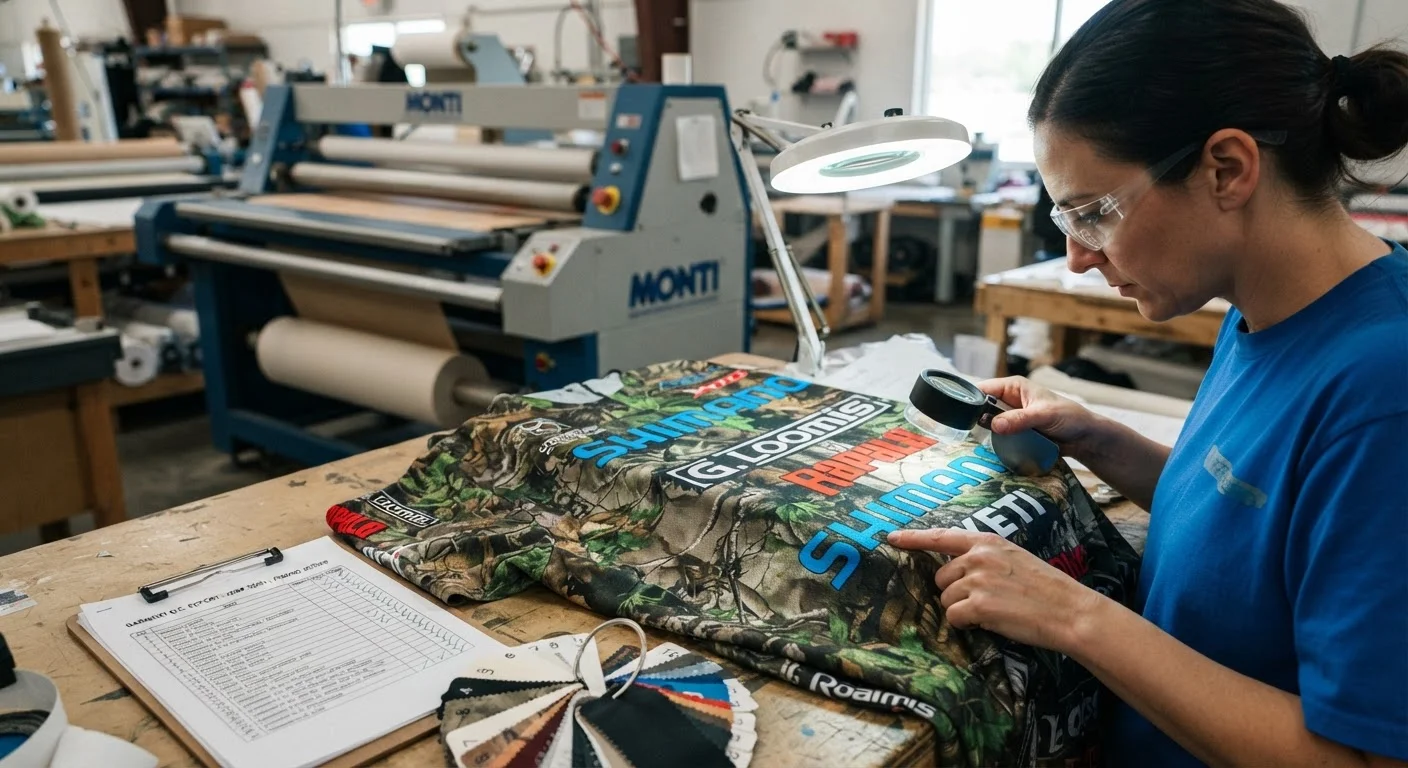
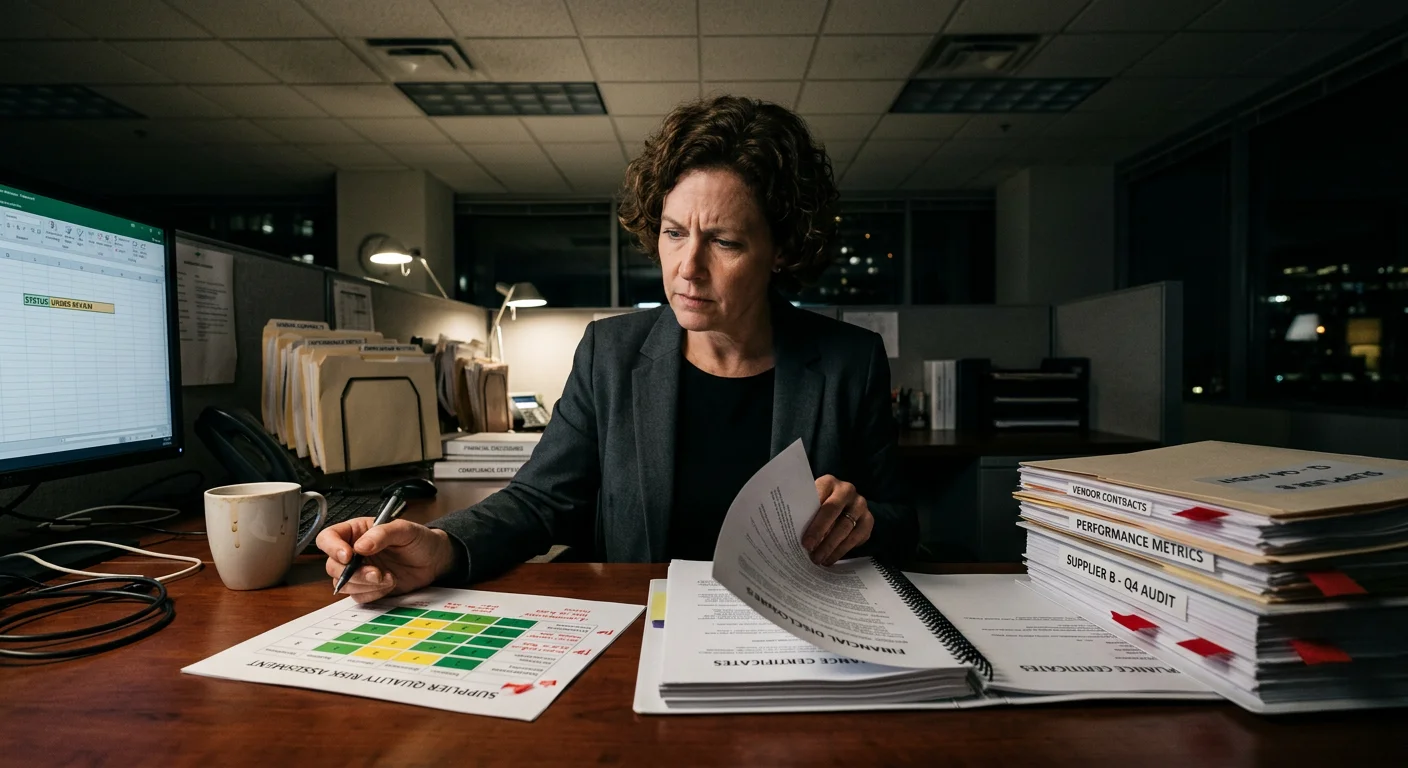
A 2% return rate isn't a rounding error. It's the point where quality problems turn from isolated incidents into something systemic. If your fishing performance wear manufacturer ships a batch and more than 2% comes back, audit their entire process. Don't just swap a few units.
Watch for these red flags before you commit to a bulk order:
CoC-only suppliers. If a wholesale angler clothing supplier offers a Certificate of Conformance but won't let you do incoming sampling, defects will slip through. Always negotiate the right to inspect.
Silent changes. Suppliers swap fabric grades or trims to save cost without telling you. Lock this down with an Engineering Change Notice (ECN) clause that requires written approval before any material or process change.
Vague spec language. Terms like "minor scratch" or "acceptable color variation" mean nothing until both sides agree on a Golden Sample. Use it for visual comparison at final inspection and to train your QC inspectors on defect boundaries.
Build an AQL System
Final inspection alone is a "sort, don't prevent" trap. By the time you catch defects at the end, you're looking at delayed shipments and full-batch rework.
Use ISO 2859 / ANSI Z1.4 sampling standards at incoming inspection instead:
Critical defects: 0.1–0.4% AQL
Major defects: 0.65–1.0% AQL
Minor defects: 1.5–4.0% AQL
For a custom fishing hoodie supplier running embroidery or contrast panels, treat stitching and seam integrity as major defects. Loose UPF fabric tension or misapplied sublimation prints belong in that same tier.
Track These Three Numbers
Return Rate – percentage of shipped units returned.
DPHU (Defects Per Hundred Units) – more granular than return rate alone.
COPQ (Cost of Poor Quality) – scrap, rework, warranty claims, and lost sales combined.
Baseline these for 4-8 weeks before scaling volume. When you visit a factory, compare actual shop-floor scrap against their reported defect rate. Anything above 2% with no matching QC log entry usually means data manipulation, not clean production.
Conclusion
Fishing apparel is a validated opportunity with real demand and a competition level most saturated categories haven't seen in years. The data and profit math both work once you factor in the pricing power UPF fabrics and custom branding give you.
Move to outreach. Pick your lane (low MOQ for testing, OEM for scaling, ODM for building a real brand), then contact 3-5 fishing apparel suppliers this week. Ask for their MOQ, sampling timeline, and QC process upfront. A legit UPF fishing apparel manufacturer will answer these without hesitation.
Don't overthink this. Order samples, test the market with a small batch, and let real sales data tell you if this product line works.